


How PHEVs, Hybrids, and EVs Compare
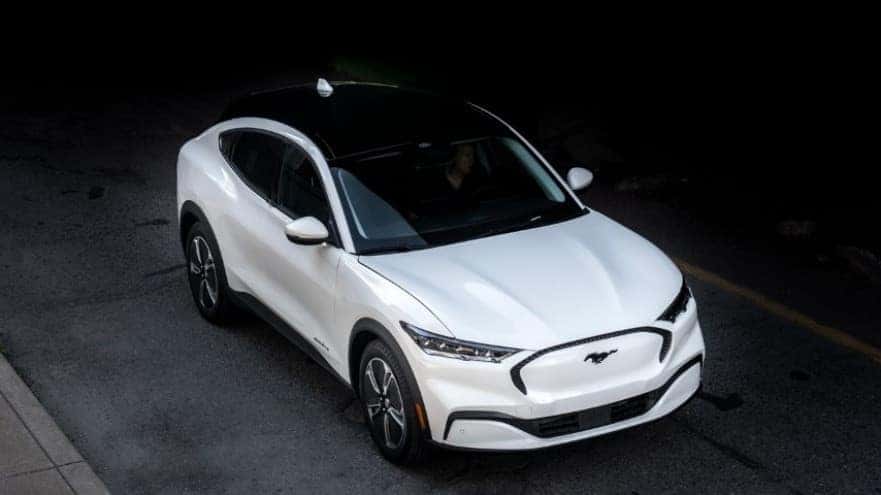
If you’re wondering, “What is an electric car?” you simply have to look in our new car inventory to see our EVs. With electric vehicles gaining in popularity, many local drivers are curious about how they compare to other eco-friendly automobiles like hybrids and plug-in hybrid electric vehicles. While EVs, hybrids, and PHEVs are distinctly different, they do have one thing in common – they’re all eco-friendlier than gas-only models.
Hybrids
As you look through the latest Ford models at our location, you’ll see exciting, innovative automobiles like the Ford F-150 Lightning. The EVs you’ll see may make you wonder about the differences between alternative energy vehicles.
Hybrid cars have hybridized powertrains. That means their powertrains include traditional parts like internal combustion engines and less conventional components, such as electric motors and battery packs.
Many hybrids vehicle can cover short distances using electricity alone, but they rely primarily on their gas engines—made more efficient by their electrical components. Hybrids have regenerative brakes and electric motors that act as generators to keep their battery packs charged up and ready for action.
PHEVs
When you contact our Ford dealership, we’ll explain that PHEVs are similar to hybrids when it comes to the parts that make up their powertrains. However, the battery packs PHEVs are outfitted with are typically larger than the ones you’ll see in standard hybrids.
Since their battery packs are larger, PHEVs can travel farther using electricity before they engage their combustion engines. Like hybrids, PHEVs have regenerative brakes. Unlike hybrids, PHEVs employ their brakes and an external power source to charge their battery packs.
EVs
Whereas hybrids and PHEVs consume less fuel than gas-only automobiles, EVs consume no fossil fuels at all. Since they rely exclusively on electricity for power, EVs release no harmful emissions into the atmosphere.
Drivers who stop by Woodhouse Ford Blair to inquire about EVs are often pleasantly surprised to learn that the vehicles can go even farther than PHEVs between charges. When they slip behind the wheel of a Ford EV, they’re further surprised by the car’s instant delivery of torque, something that’s truly exhilarating.
An electric vehicle has fewer parts under its hood because it doesn’t need things like an engine, gas tank, or exhaust system. That means EVs don’t need as much maintenance as hybrids and PHEVs throughout their working lives.
Are you interested in getting a Ford EV? Visit our Ford finance center to learn about our current Ford incentives for eco-friendly Ford models now.
